During World War II, American soldiers gave their today for our tomorrow. Their sacrifice wasn't just brave: it was decisive. Without them, freedom doesn't prevail. But here's another truth worth honoring: their courage mattered because the nation backed it with everything it had.
Individuals. Communities. Industries. Government. Everyone.
That was over 80 years ago. We backed our soldiers then. So why aren't we doing it now?
When America Went All In
Picture 1943. Every family had skin in the game. Victory gardens sprouted in backyards across America. Kids collected scrap metal. Women left their homes to build bombers and battleships. Hollywood stars sold war bonds. Even Mickey Mouse encouraged citizens to pay their taxes to fund the war effort.
The entire nation understood: our soldiers' success meant our survival.
Businesses didn't just wave flags: they retooled entire factories. General Motors stopped making cars and started manufacturing tanks. Ford built B-24 bombers. Coca-Cola figured out how to get their product to troops in the Pacific, because morale mattered as much as munitions.
Communities rallied around Gold Star families. Neighbors looked after military wives and children. Local businesses gave discounts to anyone in uniform. Support wasn't performative: it was personal, practical, and persistent.
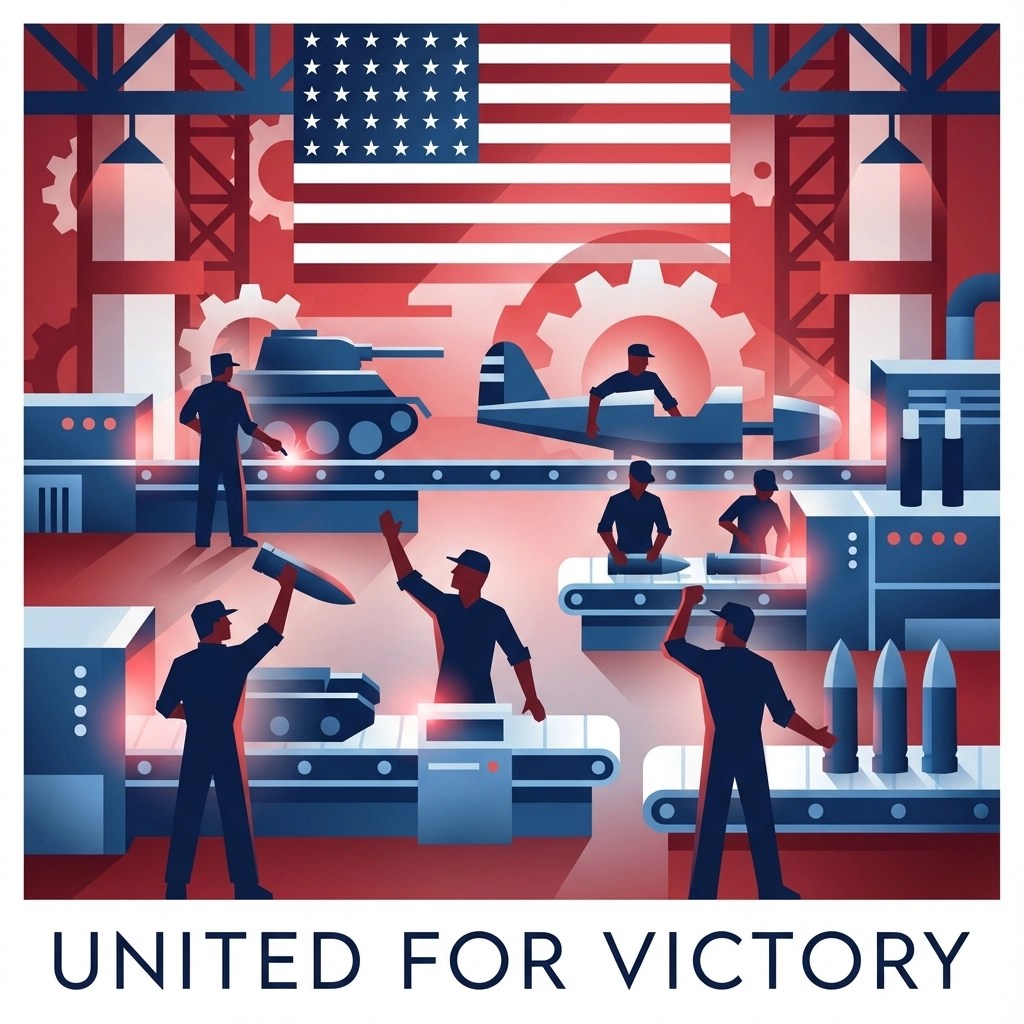
The government mobilized the entire economy. Rationing wasn't viewed as sacrifice: it was solidarity. Every sugar shortage, every meatless Monday, every carpooling arrangement was a tangible way civilians could stand with soldiers.
We backed our military because their fight was our fight. Their victory was our survival.
The Disconnect Today
Fast forward to 2026. Defense spending is projected to exceed $1 trillion: a 15% year-over-year increase. We're spending more money on our military than ever before in history.
So if we're putting our money where our mouth is, why does it feel like we've failed our military families?
Because throwing money at the Pentagon isn't the same as backing our soldiers.
Here's what's really happening: Public confidence in the military has eroded due to leadership scandals, politicization, and institutional failures. The military faces a severe recruiting crisis, with an expected 15% drop in 18-year-olds between 2025 and 2029. Young Americans are choosing college and civilian careers over service.
Meanwhile, military families struggle with the same challenges as everyone else: plus deployments, relocations, and unique financial hurdles that come with military life.
We've created a strange reality where we spend more on defense while doing less for the defenders.
The Performative Patriotism Problem
Today's support often feels hollow. We clap during airline boarding announcements. We say "thank you for your service" in grocery store checkout lines. We post flag emojis on social media.
But when a young Marine tries to buy his first home with a VA loan, does he get the same community backing his grandfather received in 1946?
When a military spouse faces another PCS move and needs to navigate a new housing market, does she find the same network of support that communities provided during wartime?
When a veteran struggles with the transition to civilian life, does he encounter the same all-hands-on-deck mentality that welcomed home the Greatest Generation?
The honest answer is no.

Real Support Requires Real Action
Here's what backing our soldiers actually looks like: tangible acts of gratitude that make a measurable difference in military families' lives.
During WWII, communities didn't just thank veterans: they helped them build lives. The GI Bill wasn't just a government program: it was a national commitment. Local banks, businesses, and neighbors all played a role in ensuring returning servicemembers could achieve the American dream they fought to preserve.
Today, we need that same all-in mentality.
That's why programs like The Hometown Hero Credit matter. This non-profit initiative provides a 2% credit up to $21,000 to help military families buy or refinance homes. On a $500,000 home purchase, that’s $10,000 in real dollar. Real assistance.
The credit can be applied to closing fees, buying down interest rates, paying real estate agent fees, or in some cases, pay down debt to help with VA loan qualification.
But here's what makes it different: it's designed to create the community backing that military families deserve. Our real estate agent partners keep 100% of their commission while providing unprecedented value to military clients. Our lender partners participate because they want to serve those who served. Communities benefit because military families get the support they need to establish roots.
It's not charity: it's the kind of comprehensive support system that America used to provide automatically.
The Industrial Strength of Gratitude
During WWII, American industrial might was redirected toward victory. Factories retooled. Supply chains pivoted. Entire industries reorganized around supporting the war effort.
Where's that energy today?
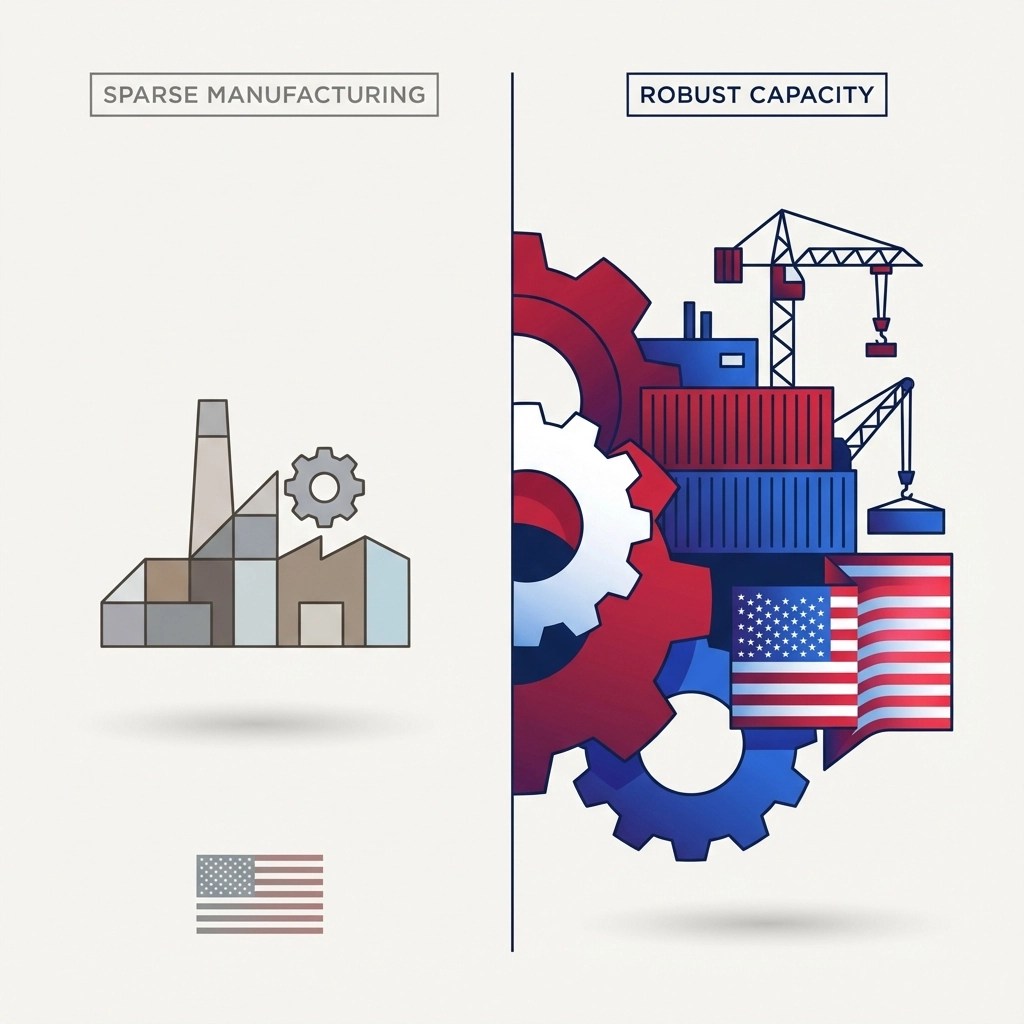
China's shipbuilding capacity is 232 times greater than America's. We've offshored manufacturing while asking our military to defend interests we're no longer equipped to support ourselves. We've created economic dependency on countries that view us as competitors or adversaries.
Backing our soldiers means rebuilding the industrial base they depend on. It means creating supply chains that can't be disrupted by foreign powers. It means ensuring that the country our military defends is capable of supporting itself.
The Recruitment Reality Check
The military faces a demographic time bomb. With fewer eligible young Americans and declining interest in service, we're heading toward a 30% annual shortfall in recruiting targets.
But this isn't just about numbers: it's about national priorities.
During WWII, serving your country was seen as the highest honor. Families were proud to send their sons and daughters into uniform. Communities celebrated military service as essential citizenship.
Today, many families see military service as a last resort rather than a first choice.
We've allowed a culture to develop where military service is viewed as something other people's kids do. That's not backing our soldiers: that's outsourcing our responsibility to them.
Getting Back to Basics
So how do we get back to truly backing our soldiers?
Start with military families in your community. When they're buying homes, ensure they get the support they deserve. When they're starting businesses, become their customers. When they're facing challenges, step up like neighbors used to do.
Support programs that create real value, not just symbolic gestures. The Hometown Hero Credit represents the kind of practical backing that makes a difference: helping military families achieve homeownership with the same community support that previous generations provided.
Demand that our political leaders prioritize military readiness alongside military spending. Money without strategy isn't support: it's waste.
Most importantly, remember that backing our soldiers isn't something we do during wartime: it's something we do because we're Americans.

The Choice We Face
During WWII, Americans understood that half-measures meant total failure. You either backed your soldiers completely, or you lost everything they were fighting to protect.
That same principle applies today.
We can continue with performative patriotism: the tweets, the discounts, the hollow thank-yous. Or we can return to the comprehensive backing that actually honors military sacrifice.
Real support means creating pathways to success, not just expressing gratitude. It means building communities that welcome military families, not just tolerate them. It means ensuring that service to country leads to opportunity in life, not just appreciation in public.
The soldiers who gave their today for our tomorrow deserve nothing less than our everything in return.
That's not just good policy: it's good conscience.
The question isn't whether we can afford to back our soldiers completely. It's whether we can afford not to.
Brett Stacy
National Director & Founder of Hometown Hero Credit
A program of Operation T.A.G. (Tangible Act of Gratitude)
501(c)(3) non-profit project of HDCF
Phone: 760-456-8748
Website: www.OperationTAG.org / www.HometownHeroCredit.com
Blog: www.HometownHeroCredit.blog